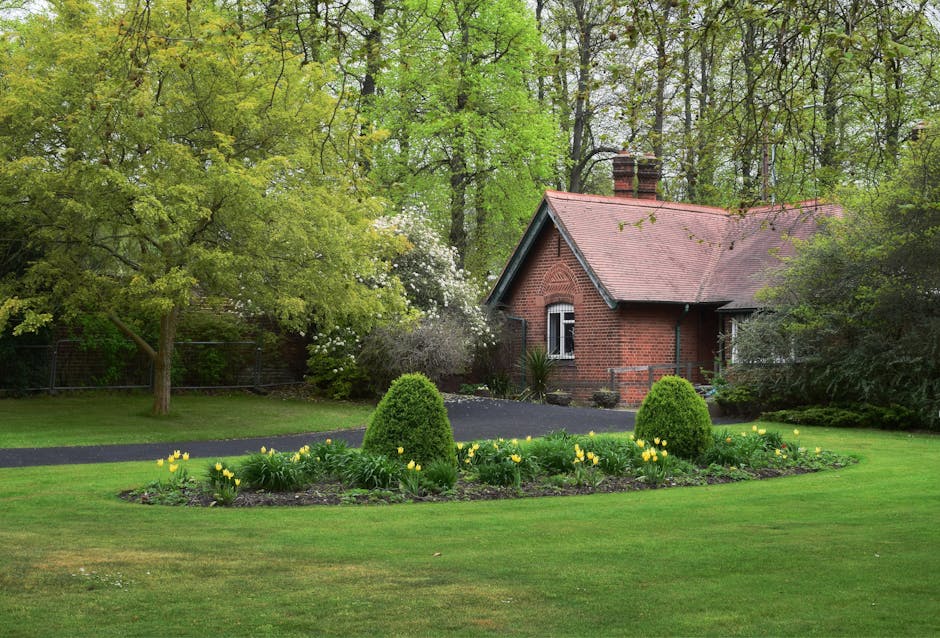
Kelsey Park front garden makeover with local gardeners
If your front garden near Kelsey Park has started to feel tired, a bit overgrown, or simply not quite "you" anymore, you are not alone. A well-planned Kelsey Park front garden makeover with local gardeners can completely change the first impression of a home, and in a very practical way too. It is not just about pretty borders and a neat lawn. It is about creating a space that works in real life, looks welcoming from the pavement, and does not become a weekly headache. In this guide, we'll walk through what the process involves, what to prioritise, and how to avoid the usual mistakes that make a front garden look busy but not better.
You'll also find local-service links where they genuinely help, plus a simple step-by-step plan you can actually use. No fluff. Just useful, grounded advice.
One thing people often notice after a makeover is how much calmer the whole house feels from the outside. Funny how that works, really.
Table of Contents
- Why Kelsey Park front garden makeover with local gardeners Matters
- How Kelsey Park front garden makeover with local gardeners Works
- Key Benefits and Practical Advantages
- Who This Is For and When It Makes Sense
- Step-by-Step Guidance
- Expert Tips for Better Results
- Common Mistakes to Avoid
- Tools, Resources and Recommendations
- Law, Compliance, Standards, or Best Practice
- Options, Methods, or Comparison Table
- Case Study or Real-World Example
- Practical Checklist
- Conclusion
- Frequently Asked Questions
Why Kelsey Park front garden makeover with local gardeners Matters
Front gardens do more than decorate a property. They shape the way people experience a home before they even step through the gate. Around Kelsey Park, where many properties have a mix of traditional character and modern updates, the front garden needs to feel intentional. A scruffy patch, a cracked path, or hedges that have run away a bit can make the whole frontage feel neglected, even if the inside is lovely.
That is why a front garden makeover matters so much. It connects appearance with everyday use. Think about the practical side: bins need access, delivery people need a clear route, and you still want space for planting, storage, or parking if relevant. A good design works with those realities rather than pretending they do not exist.
Local gardeners can make a real difference here because they understand the pace of seasonal growth, the way light moves across neighbouring houses, and the type of maintenance that people in this part of south-east London are usually willing to keep up with. To be fair, a grand-looking layout that needs three hours every Saturday is not much of a win for most homeowners.
Choosing local gardeners with a proper local focus can also make planning easier. You get advice that is grounded in nearby conditions, not generic design talk that sounds nice but falls apart after a wet winter.
How Kelsey Park front garden makeover with local gardeners Works
The process usually starts with a walk-through and a simple conversation. What do you want the front garden to do? Do you want more structure, less maintenance, better planting, improved access, or all four? The best local gardeners will begin by looking at the bones of the space: soil condition, drainage, slope, sunlight, existing shrubs, and the current hard landscaping.
After that comes the planning stage. This is where a makeover stops being a vague idea and becomes a sensible sequence of tasks. In many cases, the work includes some combination of clearance, pruning, lawn work, hedge shaping, path repair, edging, planting, or the addition of features such as small retaining areas or decking-adjacent details where appropriate. If the garden is heavily cluttered or has years of build-up, a garden clearance service may be the right first move before anything decorative begins.
Next comes the build or refresh phase. This can be a light tidy-up or a more ambitious redesign. Some homeowners only need sharper lines and better planting. Others want a full front-garden reset with new surfaces, new beds, and a clearer layout. There is no single right answer. The right answer is what suits the house, the budget, and the amount of upkeep you can realistically manage.
Once the main work is done, there is usually a finishing pass. This is the bit that makes a project feel neat rather than "nearly there". Edges are sharpened, waste is removed, plants are settled in, and the whole space is checked from the pavement perspective. That last viewpoint matters more than people think. If it looks balanced from the street, it usually feels better at the front door too.
Key Benefits and Practical Advantages
A front garden makeover is not just cosmetic. The practical advantages are often what make the decision worthwhile in the first place.
- Better first impression: The front of the property feels cared for and coherent, which can matter whether you are staying for years or planning to move on later.
- Easier maintenance: A smart layout reduces awkward corners, overgrown edges, and planting that constantly needs rescuing.
- Improved access: A clearer route to the door, bins, and side access areas makes everyday life simpler.
- More usable space: Even a small front garden can be made to feel bigger by removing visual clutter and tightening the design.
- Better seasonal performance: Planting chosen properly for the spot tends to survive better and look fuller over the year.
- Local consistency: A design shaped by nearby conditions often ages better than a trendy scheme copied from somewhere very different.
There is also the less tangible benefit: you feel better coming home. That may sound a little soft, but it is real. A tidy, balanced front garden can make the ordinary parts of the day feel less messy.
For homeowners who want more than a quick tidy, it often makes sense to combine planting with structured work from a wider landscaping team, especially if paths, levels, or borders need more than a simple refresh. If the whole site needs broader reworking, the landscape gardening approach may be the better fit.
Who This Is For and When It Makes Sense
This kind of project suits a surprisingly wide range of people. If you have a front garden that looks messy despite your best efforts, that is one obvious sign. But it is not the only one.
It makes sense if:
- the space looks unbalanced, with one side thriving and the other looking patchy;
- the planting has become too mature and is blocking light or access;
- you are tired of spending weekends trimming, sweeping, and re-trimming;
- the garden no longer matches the style of the house;
- you want a cleaner look before a sale or valuation;
- the frontage feels awkward to walk through or maintain;
- you have inherited an old design that was never really right in the first place.
It also makes sense for smaller budgets, which people sometimes overlook. A makeover does not have to mean ripping everything out. Sometimes it is simply a matter of removing the wrong plants, shaping the survivors, improving the edging, and introducing a few better-chosen features. Truth be told, restraint often does more for a front garden than a long shopping list.
If regular upkeep is the issue rather than design alone, a recurring garden maintenance plan can keep the front looking sharp after the initial makeover has done its job.
Step-by-Step Guidance
Here is the most practical way to approach the project without letting it get overwhelming.
- Assess the current space. Stand at the pavement and at the front door. What do you actually notice? Overgrowth? Bare patches? Poor sightlines? Uneven paving? Write it down, because memory is slippery once ideas start flying around.
- Set the goal. Decide whether you want low maintenance, improved kerb appeal, better structure, more planting, or a blend of all four.
- Clear the clutter. Remove unwanted debris, dead plants, broken pots, and anything that adds visual noise. If the front is very neglected, garden clearance can save a lot of time and frustration.
- Fix the framework. Sort out paths, borders, edging, and any access issues before thinking about the decorative details.
- Prune and shape. Hedges, shrubs, and small trees should be cut back with the final silhouette in mind. A good shape can make the whole frontage look more expensive, honestly.
- Choose planting with purpose. Go for plants that suit the amount of light, the soil, and the level of maintenance you can keep up. Don't choose a plant because it looked lovely for three seconds in a nursery.
- Add structure. This might mean a low hedge, repeated planting groups, a simple paved edge, or a feature that guides the eye toward the entrance.
- Finish with maintenance. A makeover only stays good if you protect it. Set a simple routine for trimming, mowing, watering, and tidying.
If hard surfaces are part of the plan, small additions such as edging, seating, or a garden feature can sometimes be grouped with decking services when the design calls for a more defined transition between zones. Not every front garden needs that, of course, but when it fits, it can tidy the whole picture.
Expert Tips for Better Results
In our experience, the best front garden makeovers are rarely the most complicated ones. They are the ones where every element has a reason to be there.
Keep the number of materials low. Two or three strong materials usually look better than five competing ones. For example, a simple paving tone, one border style, and a restrained planting palette can feel calm and deliberate.
Repeat shapes or plant groups. Repetition creates order. Even a small front garden looks more polished if the planting structure is echoed on both sides.
Think from the street first. It is easy to design for the person standing inside the garden. But kerbside viewing is what most people see most often. What reads clearly from twenty feet away?
Leave room to breathe. A lot of front gardens become cramped because every corner gets filled. A little open space gives the eye somewhere to rest.
Plan for growth, not just day one. Plants fill out. Hedges widen. The one-year plan matters more than the first week. That is especially true in a busy local climate where growth can be faster than expected after a mild spell.
Use the maintenance reality test. If you know you will not prune weekly, do not design a weekly-pruning garden. Choose honesty over aspiration. It saves money and, frankly, annoyance.
Ask about waste handling. Good contractors should be clear about how green waste and spoil are dealt with. If sustainability matters to you, it is worth asking how materials are sorted and reused. The site's recycling and sustainability approach is a useful reference point when thinking about this sort of thing.
Common Mistakes to Avoid
Some mistakes are very common, and they are easy to make when you are trying to improve the garden quickly.
- Overplanting: It feels productive, but often creates long-term clutter.
- Ignoring access: A beautiful layout that makes bins, bikes, or deliveries awkward is not ideal.
- Picking plants for looks only: If they hate shade or dry soil, they will sulk. Gardens do that.
- Leaving the structure untouched: A front garden with poor edging or tired hard landscaping will still look tired, even with new shrubs.
- Forgetting seasonal change: A space should look decent in spring, summer, and the dull bits in between.
- Not budgeting for follow-up care: The initial makeover is only half the story.
- Trying to do everything at once: A phased approach is often cleaner and less stressful.
Another one, and this comes up a lot, is copying a style that belongs to a very different property. A sleek minimalist layout can look amazing on one house and oddly out of place on another. The house and garden need to agree with each other. Not perfectly, but enough.
Tools, Resources and Recommendations
If you are planning the work yourself or want to understand what a contractor may use, these are the basics that tend to matter most:
- Secateurs and loppers: For light pruning and shaping.
- Hedge trimmers: Helpful where the boundary needs a clean, even finish.
- Spades, forks, and edging tools: Useful for border reshaping and neat lines.
- Lawn equipment: If turf is part of the frontage, regular cutting keeps it from going ragged. A dedicated lawn mowing service can make a big difference to presentation.
- Wheelbarrows and waste sacks: Sounds basic, but they keep the work moving without endless clutter.
- Protective kit: Gloves, eye protection, and sturdy footwear should not be optional.
For homeowners who prefer to outsource the full job, it is worth reviewing the wider services overview before deciding how much of the front garden to hand over. That can help you match the project to the right level of support rather than guessing.
If the front boundary has become too woody or restrictive, and you are dealing with large shrubs or awkward growth, there may also be a case for hedge trimming or, in some situations, tree lopping and removal. Those jobs need judgement, though. Bigger is not always better, and cutting too hard can leave a garden exposed in a way you may regret.
Law, Compliance, Standards, or Best Practice
For most front garden makeovers, the main compliance issues are practical rather than dramatic. You are usually dealing with common-sense obligations around safety, access, waste handling, and neighbour awareness. If work involves shared boundaries, trees, drainage, or changes near the pavement, it is sensible to check any relevant property or local requirements before moving ahead.
Professional gardeners should also work with proper care on site. That means clear risk awareness, safe tool handling, and sensible methods for lifting, cutting, and waste removal. If you are hiring help, it is reasonable to ask about health and safety practices and insurance and safety. That is not being fussy. It is just smart.
For any work involving quotes, scope, or payment timing, a clear written understanding is best practice. You want to know what is included, what is extra, and how changes are handled if the job reveals unexpected issues once it starts. A simple, transparent approach avoids awkwardness later.
Professional conduct matters too. If you are using local gardeners, you should expect polite communication, tidiness, and a clear complaints route if something goes wrong. That is why pages such as complaints procedure, payment and security, and the company's terms and conditions can be useful reading before you book.
Practical takeaway: keep the work safe, keep the scope clear, and keep the design realistic. That combination solves most front-garden headaches before they start.
Options, Methods, or Comparison Table
Not every front garden makeover needs the same level of intervention. The table below gives a simple comparison of common approaches.
| Approach | Best for | Typical effort | What it delivers |
|---|---|---|---|
| Light refresh | Gardens that are basically sound but messy or tired | Low to moderate | Sharper edges, tidier planting, cleaner look |
| Maintenance-led makeover | Homeowners who want lasting ease of care | Moderate | Improved structure with manageable upkeep |
| Full redesign | Front gardens with poor layout, heavy overgrowth, or outdated structure | Higher | New layout, stronger kerb appeal, better function |
| Clearance first, design later | Heavily neglected spaces | Varies | Removes clutter so the real opportunities become visible |
If you are uncertain which route fits, ask for the simplest honest assessment rather than the biggest package. A good local gardener should be able to say, "This only needs pruning and re-edging," just as comfortably as they can say, "Yes, we need a more substantial plan."
Case Study or Real-World Example
Here is a realistic example, without dressing it up too much. A front garden near Kelsey Park had become a patchwork of old shrubs, a narrow path, and a lawn that spent most of its life looking apologetic. The owners liked the house but felt the front made everything seem smaller and busier than it really was.
The solution was not dramatic. First, the overgrowth was cleared back and the clutter removed. Then the main shrubs were selectively reshaped, the border edges were reset, and a simpler planting plan replaced a jumble of mixed specimens. The path was made visually clearer, and the front now had a proper sense of arrival rather than a bit of a squeeze.
What changed most was not the number of plants. It was the structure. The garden suddenly had a rhythm. A visitor could see where to walk, where to look, and what the garden was trying to be. That is usually the hidden win in these projects.
It also reduced upkeep. Less cutting, less guesswork, fewer "I'll do it next weekend" moments. We've all been there.
Practical Checklist
Use this checklist before you start any front garden makeover.
- Have you stood back and looked at the frontage from the pavement?
- Do you know whether you want low maintenance, stronger kerb appeal, or a complete redesign?
- Have you identified any overgrown shrubs, problem roots, or tired lawn areas?
- Are paths, borders, and access points easy to use?
- Have you decided what stays, what goes, and what gets reshaped?
- Do you have a realistic maintenance plan for the finished garden?
- Have you thought about waste removal and sustainability?
- Do you know whether you need clearance, trimming, mowing, or broader landscaping support?
- Have you checked practical matters like insurance, safety, and written scope?
- Are the new plants suitable for light, soil, and your available time?
If you can tick most of those off, you are already ahead of the game.
Conclusion
A successful Kelsey Park front garden makeover with local gardeners is rarely about making the biggest possible change. It is about making the right changes, in the right order, for a garden that feels welcoming, tidy, and easy to live with. That might mean a small refresh. It might mean a more substantial redesign. Either way, the best results come from clear planning, practical plant choices, and a layout that suits both the house and your routine.
When the front garden finally starts to work properly, you notice it every time you come home. The place feels lighter somehow. More settled. And that's a lovely thing to get back.
Get a free quote today and see how much you can save.
To learn more about the team, you can also visit the about us page or go straight to contact us when you are ready to talk through your ideas.
Frequently Asked Questions
What does a front garden makeover usually include?
It can include clearance, pruning, hedge trimming, lawn work, planting, edging, and sometimes wider landscaping changes. The exact mix depends on the condition of the space and your goals.
How do I know if my front garden needs a full makeover or just a tidy-up?
If the layout is still sensible and the main issue is overgrowth or untidy planting, a tidy-up may be enough. If the access, structure, or style no longer works, a fuller makeover is more likely.
Can a small front garden still make a big difference?
Yes, absolutely. Small spaces often improve the most because a few well-chosen changes can make the whole frontage feel clearer and more open.
Is a low-maintenance front garden possible without looking plain?
Definitely. The trick is to use repetition, evergreen structure, and a restrained plant palette rather than filling every inch with high-maintenance plants.
How often will the garden need maintenance after the makeover?
That depends on the planting and layout, but most front gardens benefit from regular light maintenance rather than occasional heavy work. A good plan usually saves time in the long run.
Should I clear everything before redesigning the front garden?
Not always. Some gardens benefit from selective pruning and reshaping rather than total removal. But if the space is very congested, clearance first can make decision-making much easier.
Do local gardeners help with design as well as the physical work?
Often they do. Many local gardeners can advise on what to keep, what to remove, and how to make the space more practical, even if the project is not a full design consultancy.
What should I ask before hiring someone for the work?
Ask what is included, how waste is handled, whether insurance is in place, how payment works, and how changes will be managed if hidden problems appear during the job.
Can front garden work include hedges, trees, and lawn care together?
Yes. In fact, it often works better that way because the whole frontage can be balanced in one go, rather than fixed in bits and pieces. Services like hedge trimming and lawn mowing are common parts of this kind of project.
How long does a front garden makeover take?
That varies a lot. A tidy refresh might be completed quickly, while a more substantial redesign takes longer. The size of the garden and the amount of clearance needed are usually the biggest factors.
Is it worth checking company policies before booking?
Yes, especially for safety, payments, complaints, and privacy. Clear policies help you understand how the work will be handled and what to expect if anything needs attention afterwards.
What is the best first step if I want to improve my front garden soon?
Start with a simple assessment of the space and decide whether you need clearance, maintenance, or a broader redesign. If you are unsure, ask for a clear quote and an honest recommendation on the most sensible route.