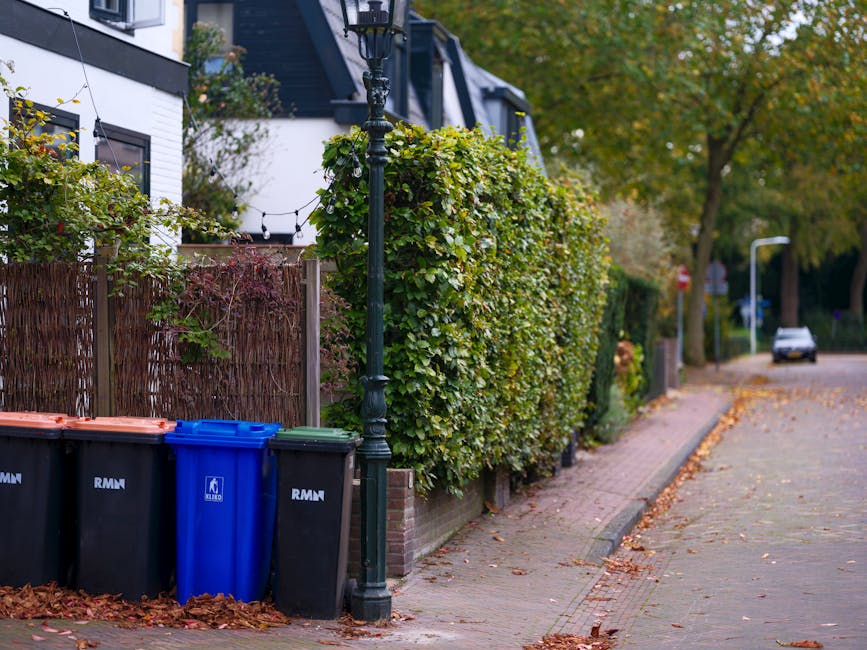
What to know about Bromley council garden waste rules
If you have ever stood in the garden with a wheelbarrow full of hedge clippings, wondering whether it all counts as acceptable garden waste, you are not alone. Bromley council garden waste rules can feel a little fiddly at first, especially when you are trying to decide what can go in the bin, what needs a special collection, and what should be taken away another way. The good news? Once you understand the basics, it becomes much easier to manage your garden tidy-up without wasting time, money, or a perfectly good Saturday morning.
This guide breaks down the practical side of garden waste in Bromley: what the rules are trying to achieve, how collections usually work, which materials cause problems, and how to avoid common mistakes. It also looks at when a professional service may make life easier, especially after a heavy pruning session or a bigger clearance job.
Contents
- Why Bromley council garden waste rules matter
- How the system works in practice
- Key benefits and practical advantages
- Who this is for and when it makes sense
- Step-by-step guidance
- Expert tips for better results
- Common mistakes to avoid
- Tools, resources and recommendations
- Law, compliance, standards, or best practice
- Options, methods, or comparison table
- Case study or real-world example
- Practical checklist
- Conclusion
- Frequently asked questions
Why Bromley council garden waste rules matter
Garden waste looks harmless enough, but councils set rules for a reason. Green waste can be bulky, heavy, and awkward to handle if it is mixed with household rubbish, soil, or unwanted items from a clear-out. If it is put out incorrectly, it can be left behind, delayed, or treated as non-compliant waste. That is annoying for anyone, and it is especially frustrating when you have already bagged everything up and dragged it to the kerb in the drizzle.
For Bromley residents, understanding the garden waste system helps in three ways. First, it reduces the chance of missed collections or rejected bins. Second, it helps you separate material properly, which is good for recycling and sustainability. Third, it helps you make a sensible choice between council collection, home composting, or a more involved removal option such as garden clearance when there is simply too much to handle alone.
There is also a practical time-saving angle. A neat pile of grass cuttings, small branches, leaves, and pruning waste is very different from a mixed heap that includes plastic plant pots, broken soil bags, or old fencing. The more sorted it is, the easier it becomes to decide what happens next. That sounds obvious, but honestly, it is the bit people tend to overlook.
How Bromley council garden waste rules work
At a basic level, garden waste rules are about separating organic garden material from general household waste and dealing with it through the right collection route. In most council systems, the key idea is simple: garden waste should be clean, manageable, and limited to suitable green materials. Anything that looks like contamination, heavy soil, or mixed rubbish may be refused.
Typical garden waste includes grass cuttings, hedge trimmings, leaves, small branches, plants, weeds, and dead flowers. What often causes confusion is the grey area: roots with too much soil attached, large woody stumps, turf in large volumes, and mixed loads that include both garden waste and non-garden waste. A tidy bundle of prunings is usually fine. A sack full of mud, bricks, and old compost bags is not.
Collection rules can also cover how the waste is presented. Councils often expect it to be in the correct bin, caddy, or approved container, and not overfilled. Weight matters too, because very wet grass clippings can be surprisingly heavy. In the cold light of a Monday morning, that bin can feel twice as awkward to move as you expected.
If you are carrying out ongoing garden maintenance, it helps to keep waste streams separate as you go. For example, if you are trimming a hedge, mowing a lawn, and clearing flower beds in one visit, place the material into separate piles from the start. It makes disposal simpler and reduces the chance of mixing in soil or household debris. Services like garden maintenance are often useful where the same issues come up repeatedly over time.
Key benefits and practical advantages
Following the rules is not just about avoiding a collection problem. There are real day-to-day advantages.
- Fewer rejected collections: Correctly sorted garden waste is more likely to be accepted first time.
- Less mess at home: A proper system prevents bags, compost, and cuttings from spreading across the drive or patio.
- Better recycling outcomes: Clean green waste is easier to process and divert away from general waste.
- Lower stress after big jobs: When you have done a heavy pruning session, the last thing you need is to guess what goes where.
- Clearer budgeting: If you know when the council service is enough and when you need extra support, you avoid last-minute spending.
There is a hidden benefit too: garden waste management makes your whole garden routine feel more controlled. A well-run garden is not just about mowing or trimming. It is about handling the aftermath properly. That includes clippings, branches, and the slightly soggy pile that appears after a windy weekend. If you are already comparing ways to keep a property tidy, the broader services overview can help you think about which parts of the job are best handled in-house and which are better outsourced.
Expert summary: The best way to deal with Bromley garden waste is to keep it clean, separate, and predictable. The more mixed and heavy the load, the more likely it is to create collection issues.
Who this is for and when it makes sense
This topic matters for quite a few people, not just keen gardeners. If you are mowing a lawn every week, trimming hedges now and then, or clearing up after storms, you will run into garden waste rules sooner or later. Homeowners, landlords, tenants with garden duties, and anyone maintaining shared outside space all benefit from knowing the basics.
It is especially relevant in these situations:
- You have a large amount of grass cuttings after regular mowing.
- You have pruned shrubs or hedges and the branches take up more room than expected.
- You are clearing an overgrown garden before a sale, tenancy change, or refurbishment.
- You are trying to work out whether a collection bin is enough or whether a fuller removal service is needed.
- You want to avoid repeated trips to the tip or messy piles sitting around for days.
To be fair, once the volume gets beyond a few bags, the job changes. A quick tidy-up is one thing. A dense, tangled mix of thorny hedge cuttings, leaves, and damp soil is something else entirely. In those cases, specialist support can save a lot of time, especially if the garden is being reset as part of wider work such as landscaping or larger outdoor improvements.
Step-by-step guidance
If you want to stay on the right side of Bromley council garden waste rules, follow a simple process. No drama. Just a sensible routine.
- Separate green waste from everything else. Keep grass, leaves, and prunings apart from plastics, rubble, soil-heavy debris, and general rubbish.
- Check the condition of the material. Remove obvious contaminants such as stones, plant labels, twine, and broken pots where possible.
- Break down bulky items. Long branches, hedge trimmings, and large stems are easier to manage when cut into shorter lengths.
- Use the right container. Fill bins or bags in a way that keeps them manageable. Do not overstuff them just to squeeze in "one more armful".
- Keep an eye on moisture. Wet grass cuttings and soggy leaves become very heavy very quickly.
- Put out collections on the correct day. Missed timing can lead to wasted effort and, in some cases, a return visit you were trying to avoid.
- Choose the right disposal route for the volume. Small ongoing waste may suit regular collection. Bigger clearances may call for something more substantial.
If the waste comes from heavier work, such as thinning trees or removing awkward branches, it can help to plan the disposal before you start cutting. That way you are not staring at a mountain of material halfway through the job, wondering where it all came from. It happens. More often than people admit.
For tree-related work, it is wise to think about the size, weight, and shape of the waste before you begin. Services like tree lopping and removal are relevant when the material is too large or too awkward to manage with normal garden waste routines.
Expert tips for better results
Here are the habits that make garden waste handling smoother in real life, not just on paper.
- Cut as you go: Don't let trimmings build up in one giant heap. Smaller piles are easier to sort.
- Use a tarp or sheet: This keeps pathways cleaner and makes collecting waste much faster.
- Keep one area for clean green waste: A single designated spot reduces accidental contamination.
- Bundle woody cuttings neatly: Long, untidy branches are awkward to move and can snag on fences or gates.
- Plan around weather: A windy or wet day makes leaf and grass collection more frustrating than it needs to be.
- Stay realistic about volume: If it looks like a lot, it probably is. Gardens are generous like that.
One small but useful habit is to keep a separate bag for "questionable" items. If you are unsure whether something belongs in the garden waste stream, do not mix it straight in. Set it aside and sort it later. That tiny pause can save a whole bin from being rejected.
Another practical tip: when dealing with a long hedge, trim from the top down and collect as you finish each section. It creates less clutter and helps you spot problems earlier. If you need a hand with that sort of ongoing upkeep, hedge trimming can make the whole job more manageable.
Common mistakes to avoid
Most problems with garden waste come from a few repeated mistakes. They are easy to make, especially when you are in a hurry.
- Mixing garden waste with general rubbish: This is one of the fastest ways to create a collection issue.
- Adding too much soil: Soil is heavy and often treated differently from green waste.
- Overfilling containers: If it is stuffed to the top and won't close properly, that is usually a warning sign.
- Leaving in non-organic items: Plant pots, wire, string, and tags commonly sneak in by accident.
- Ignoring bulky material: Large branches or uprooted shrubs may need a separate plan.
- Assuming all green-looking waste is acceptable: Colour is not the test. Composition is.
A common real-world example: someone clears a border, sweeps up leaves, and tips in a few broken terracotta pot pieces because they "look kind of natural". That is exactly the kind of thing that creates trouble. It is a small mistake, but it can be enough to spoil the lot.
Let's face it, no one enjoys sorting through a bag of half-compost, half-mystery debris once the job is done. Better to separate it properly the first time. If the garden has become too cluttered for a simple tidy-up, garden clearance may be the safer, cleaner route.
Tools, resources and recommendations
You do not need a van full of equipment to handle garden waste well, but a few basics make a big difference.
| Item | Why it helps | Best use |
|---|---|---|
| Heavy-duty garden bags | Useful for leaves, grass cuttings, and smaller prunings | Routine weekly or fortnightly clean-up |
| Tarpaulin or old sheet | Makes gathering waste quicker and keeps patios cleaner | Pruning sessions and border work |
| Secateurs and loppers | Helps reduce bulky branches to manageable sizes | Hedges, shrubs, and small tree work |
| Gloves | Protects hands from thorns, rough stems, and damp debris | Pretty much any outdoor tidy-up |
| Wheelbarrow | Improves movement of heavy or awkward waste | Bringing material to a collection point |
One recommendation that often gets overlooked is simple planning. Before you start, decide where the waste will go, how it will be separated, and whether the council route is enough for the job. That single decision can save a lot of back-and-forth later. If you are also balancing cost and convenience, it can be useful to review pricing and quotes before committing to a larger one-off clearance.
If sustainability matters to you, it is worth thinking about reuse and composting too. Leaves, grass, and many soft trimmings can often be recycled through the right channels or composted at home, depending on volume and what else is mixed in. The general idea is to waste less, move less, and keep the process cleaner from the outset. That is where good habits really pay off.
For a broader look at greener working habits and disposal thinking, recycling and sustainability is a useful related page.
Law, compliance, standards, or best practice
Garden waste handling sits within broader UK waste principles, even when you are just dealing with a small home garden. The main best-practice idea is straightforward: separate waste responsibly, avoid contamination, and use the correct route for the type and amount of material you have.
In practical terms, that means:
- Do not mix green waste with household rubbish if you want it to be processed as garden waste.
- Do not assume all organic-looking material is acceptable if it contains excessive soil, rubble, or non-organic items.
- Keep presentation tidy and manageable, because councils and collection services work best with clean loads.
- Be mindful of safety, especially when cutting branches, handling thorny plants, or lifting heavy bags.
There is also a duty-of-care angle for businesses and landlords, even if this article is mainly written for householders. Waste should be stored, moved, and handed over in a sensible way that reduces nuisance and risk. If you are managing a property or using contractors, clear working practices matter. That includes safety procedures, insurance awareness, and good communication. For those details, pages such as health and safety policy and insurance and safety can help build confidence around responsible work.
Truth be told, compliance is not just about rules. It is about keeping a tidy process that works without creating headaches for anyone involved. If you know what goes where, and you keep the load clean, you are already most of the way there.
Options, methods, or comparison table
There is no single right way to deal with garden waste in Bromley. The best option depends on volume, frequency, and how much time you want to spend dealing with it yourself.
| Method | Best for | Pros | Limitations |
|---|---|---|---|
| Council garden waste collection | Smaller, regular green waste | Convenient, structured, suitable for routine upkeep | May not suit bulky or heavily mixed waste |
| Home composting | Leaves, grass, soft cuttings | Low waste, eco-friendly, useful for future planting | Needs space and patience; not ideal for all material |
| Private garden clearance | Large clear-outs, overgrown plots, mixed volumes | Fast, flexible, handles bigger jobs | Usually more involved than routine disposal |
If your garden work is part of a bigger refresh, the method may shift. A small mowing job might only need your normal collection routine. But if you are reworking borders, removing heavy growth, or tackling an overgrown space before landscaping, the waste output grows quickly. In those cases, the smarter route is often to combine planning with a service that can handle everything in one go. That is where lawn mowing and related maintenance support can reduce the amount of waste building up in the first place.
Case study or real-world example
A typical scenario looks like this. A homeowner in Bromley spends a Saturday morning cutting back a mixed hedge, mowing the lawn, and clearing fallen leaves after a windy spell. At first, the waste seems manageable: a few bags of grass, a bundle of trimmings, and some leaves. Then the job expands. There are longer woody sections from the hedge, a few stubborn roots, and several bags that turn out to be much heavier than expected because the grass was damp.
At that point, the original plan starts to creak a bit. The garden waste can still be sorted, but it takes longer, and the bins are full sooner than expected. Rather than forcing everything into the wrong container, the homeowner separates the clean green waste from the heavier and awkward material, then arranges the remaining pile to be dealt with properly. The result is a cleaner finish, fewer surprises, and no half-finished heap sitting by the fence for a week.
That is the real lesson here. The rule itself is not the hard part. The hard part is judging volume, weight, and mix before the pile gets out of hand. Once you do that well, the rest becomes far easier. And yes, the garden usually looks better for it too.
Practical checklist
Use this before you put any garden waste out for collection or decide on your next step.
- Have I separated green waste from general rubbish?
- Have I removed pots, plastic, wire, and other non-organic items?
- Is the waste light enough and clean enough for the chosen collection route?
- Have I cut oversized branches or stems down to a manageable size?
- Is there too much soil mixed in?
- Do I know the correct day or process for disposal?
- Would composting some of this reduce the amount I need to move?
- Is the job now bigger than a normal tidy-up?
- Do I need help with mowing, trimming, or a larger clearance job?
- Have I checked whether a professional service would save time overall?
A quick yes-or-no pass through that list can prevent most of the usual problems. Not glamorous, perhaps. But effective.
Conclusion
What to know about Bromley council garden waste rules comes down to a simple idea: keep garden waste clean, separate, and manageable, and you will avoid most of the stress that comes with disposal. Whether you are dealing with a small weekly mow or a larger clear-out after months of growth, the basics are the same. Sort it properly, think ahead, and choose the right route for the volume you have.
If your garden work is becoming more frequent, or the waste is turning into a bigger job than expected, it can be worth looking at support that keeps the whole process under control. A tidy garden is easier to maintain than a chaotic one, and once you get the waste side sorted, everything else feels lighter. Almost like the garden can breathe again.
Get a free quote today and see how much you can save.
And if you are making a long-term plan for your outdoor space, a little care now can save a lot of hassle later. That part is worth remembering.
Frequently Asked Questions
What counts as garden waste under Bromley council garden waste rules?
Garden waste usually means organic material from the garden, such as grass cuttings, hedge trimmings, leaves, weeds, and small branches. Anything mixed with plastic, rubble, or household rubbish is likely to cause problems.
Can I put soil in my garden waste collection?
Usually, soil is treated differently from green garden waste. Small traces may be unavoidable, but large amounts of soil can make the load too heavy or unsuitable. It is better to keep soil separate where possible.
Are branches and twigs allowed?
Small branches and twigs are generally fine if they are reasonably cut down and not mixed with non-garden debris. Large woody sections or stumps may need a different solution.
What happens if my garden waste is contaminated?
If the waste includes items like plastic, pots, wire, or too much soil, it may be left behind or refused. The cleaner the load, the easier it is to process.
Is grass cut from mowing always acceptable?
Grass cuttings are one of the most common forms of garden waste, but they should still be presented properly. Wet grass can be very heavy, so avoid overfilling bins or bags.
Can I mix hedge trimmings with leaves and lawn clippings?
Yes, as long as everything is clean green waste. Mixed organic material is usually fine. The key issue is avoiding contamination with non-garden items.
What is the best way to deal with a very overgrown garden?
For a large overgrown space, a staged approach works best: cut back the growth, separate the waste as you go, and then decide whether council collection, composting, or a full clearance service is the better option.
Do I need special equipment to handle garden waste properly?
You do not need much, but gloves, bags, a tarp, and cutting tools make the job much easier. For larger jobs, a wheelbarrow or professional clearance support can save a lot of effort.
How do I know whether a job is too big for normal garden waste collection?
If the pile is bulky, very heavy, mixed with soil, or made up of awkward branches and roots, it may be beyond a routine collection. That is often the point where a separate clearance plan makes sense.
Is composting a good alternative to collection?
Yes, for suitable material like leaves, grass, and soft cuttings. Composting is useful if you have the space and patience, but it will not suit everything, especially larger woody waste.
Can regular garden maintenance reduce waste problems?
Absolutely. Regular upkeep keeps clippings smaller, hedges more manageable, and clear-outs less dramatic. It is much easier to deal with little and often than to face a once-a-season mountain.
Where should I go if I need help with garden waste removal?
If you want help with larger clearances, ongoing maintenance, or related outdoor work, it makes sense to look at the service pages that match the job. Depending on what you need, garden clearance, garden maintenance, or services overview can point you in the right direction.